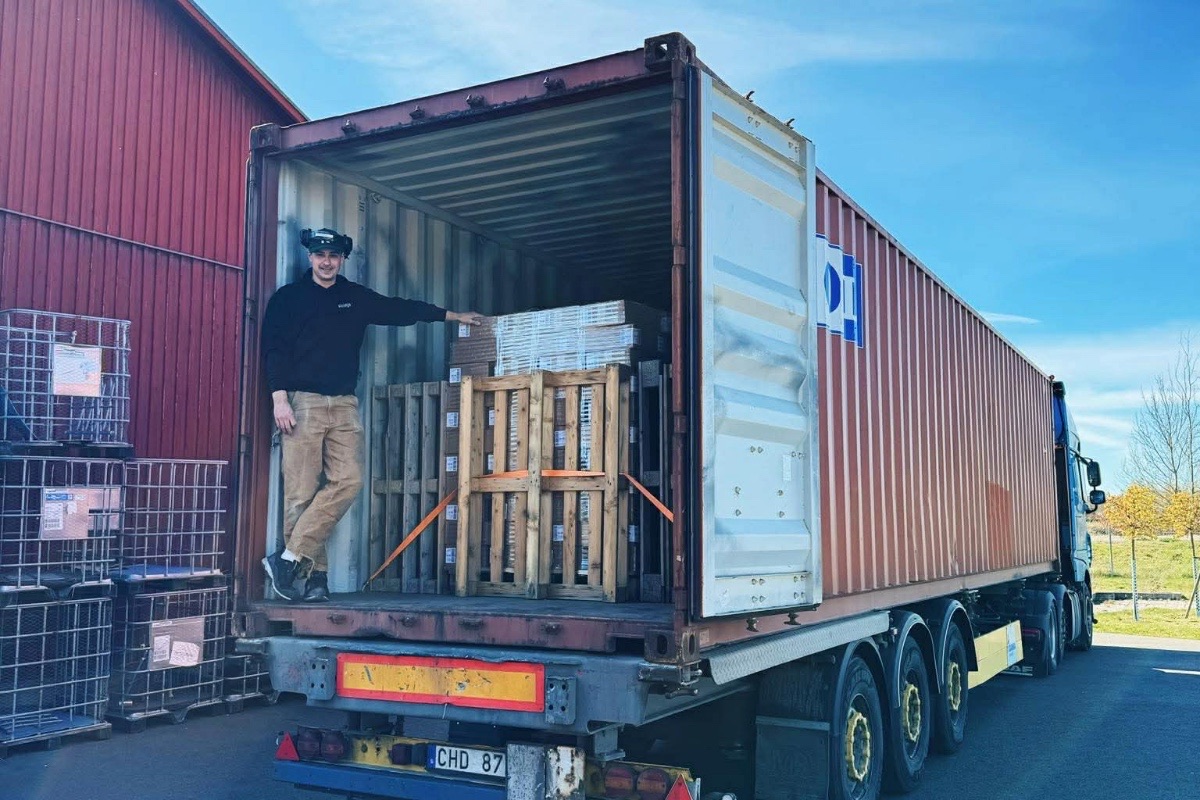
There are just 45 minutes between Klackabackens Bryggeri in Kristianstad, in southern Sweden, and Älmhult, the small Småland town where Ikea was born. Yet it took a detour via Tokyo for the relationship to properly take off. Now the independent Swedish brewery is sending another 50,000 cans to Japan, following a surprisingly strong start on the shelves of Ikea Japan.
What began with a tip from the Swedish Embassy in Tokyo back in 2021 has developed into a serious export venture. The first plans were halted by the pandemic, but the Japanese importer later returned with a more specific request: Ikea Japan was looking for Swedish craft beer.
“It is a little funny that the brewery is so close to Älmhult and that our business with Ikea in Sweden has been very limited. But clearly it works rather well in Japan,” says Tim Persson, CEO of Klackabackens Bryggeri.
Klackabacken is one of the many small and medium-sized breweries that have helped shape Sweden’s modern craft beer scene over the past decade. Like much of the Swedish market, it operates in a landscape where the state alcohol retail monopoly, Systembolaget, remains the main route to consumers – making export, festival sales and special collaborations increasingly important for independent producers.
In November 2025, Klackabacken launched two beers with Ikea Japan: its pilsner and the West Coast IPA Elin. The response has been stronger than expected.
“It is possible that they chose those two because one label is yellow and the other is blue, but we will leave that unsaid. To our great surprise, Elin has been by far the stronger seller,” says Persson.
For British drinkers, the pilsner may sound like the safer choice. But Elin’s success shows that the clear, bitter and aromatic West Coast IPA still travels well. In Sweden, as in much of northern Europe, the style has enjoyed renewed interest after several years dominated by hazier, softer New England-style IPAs.
The success in Japan is partly being attributed to the country’s well-established interest in Scandinavian design, food and craft culture. Pricing has also played a part. Ikea Japan has kept the beer at a level only marginally higher than its price back home in Sweden, making it feel like an accessible Swedish import rather than a premium curiosity.
For a brewery of Klackabacken’s size, orders of 50,000 cans at a time bring both opportunity and pressure.
“Big deals always mean a lot. They allow us to streamline production in a completely different way. At the same time, it is a challenge to balance liquidity. When the beer takes 60 days by boat, delays can become critical,” says Persson.
Klackabacken has had an intense start to the year. Alongside the Ikea collaboration, the brewery has a busy summer in southern Sweden, with its own beer for Kristianstad City Festival in its home town, a bar at Sweden Rock Festival in nearby Sölvesborg – a major rock and metal festival that attracts visitors from across Sweden and beyond – and its own Klackabacken Beer Fest on 15 August.
“At the moment we feel that we have the wind in our sails and a lot of exciting things happening. That is very welcome after several tough years,” says Tim Persson.
–
Every month, Beernews selects an article to publish in English – for readers outside of Sweden who want to follow the Swedish beer scene.