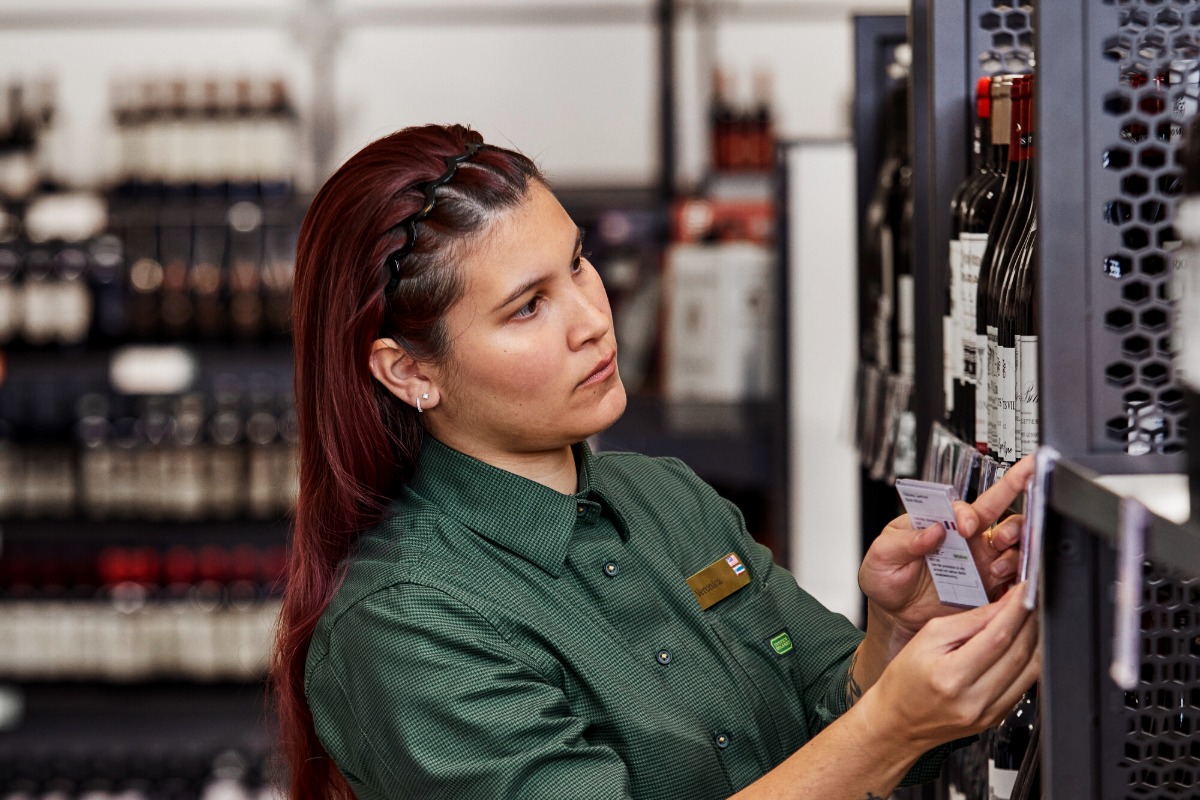
Swedes are buying more beer and less wine. Now Systembolaget, Sweden’s state-owned alcohol retail monopoly, is adjusting its operations and reducing staff hours in stores and warehouses.
The figures come from Systembolaget’s interim report for April–June 2026. During the first six months of the year, sales of full-strength beer increased by 1.7 percent. In total, the monopoly sold just over 2.3 million litres more full-strength beer than during the same period last year.
Wine is moving in the opposite direction. Sales fell by 2.5 percent. Spirits were also slightly down, while flavoured cider, ready-to-drink cocktails and alcohol-free products continued to grow.
Systembolaget is the only retailer in Sweden allowed to sell beer above 3.5 percent ABV, wine and spirits directly to consumers for off-premise consumption. Its stores have restricted opening hours, are closed on Sundays, do not sell chilled beer or wine, and do not use discounts or promotional offers. The idea is that alcohol should be available, but not pushed.
The sales declines of recent years can be read as a sign that the Swedish model is working. The reality, however, is that people are drinking less alcohol in many parts of the world, and that shift is now showing in Systembolaget’s sales. Overall sales volume rose by just 0.2 percent during the first half of the year, while sales measured as pure alcohol continued to decline, as a larger share of what is being sold has a lower alcohol content.
The shift in what Swedes are drinking is also affecting Systembolaget’s profitability. Beer and flavoured cider generate less money per item sold than, for example, wine. As a result, the changed sales mix reduced gross profit by 18 million kronor during the first six months of the year.
In response to the weak volume development, Systembolaget has begun measures to reduce costs. This is most visible in staffing, which has fallen by the equivalent of 145 full-time jobs compared with the same period last year, mainly in warehouses and stores.
“It is an adjustment to the fact that the number of customer visits has decreased. This has largely been handled through natural turnover and by bringing in fewer hourly employees,” says Pia Herrera, press officer at Systembolaget.
Systembolaget is also closing its warehouse in Brunna, north-west of Stockholm, and moving e-commerce deliveries to other warehouses. Around 30 employees are affected by the change and are being offered new roles within the company. The restructuring has brought one-off costs of just over 40 million kronor, including costs for staff, premises and closure.
Despite restructuring costs, lower sales volume and fewer customer visits, Systembolaget’s result has improved. During the second quarter, profit after tax more than doubled, from 46 million to 96 million kronor. For the first six months of the year, the operating result was minus 53 million kronor, compared with minus 133 million kronor during the same period last year. In other words, the cost-cutting is beginning to show, even though the first half still ended in the red.
With more than 20,000 products available through its online range, Systembolaget says the streamlining of its operations will not affect customers’ ability to order drinks for home delivery or free collection from their local store.
“Systembolaget’s high level of service will not be affected. The range develops according to customer demand, and our efficiency measures do not affect the possibility of ordering beer or other drinks to the local store,” says Pia Herrera.
Read the Swedish article here.
–
Every month, Beernews selects an article to publish in English – for readers outside of Sweden who want to follow the Swedish beer scene.